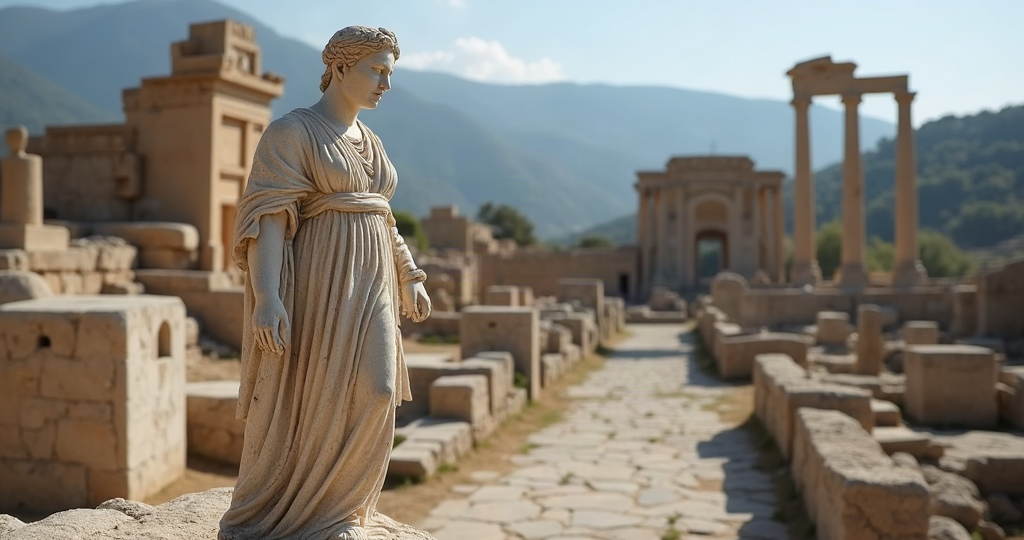

The Sardis archaeological discovery has unveiled an extraordinary glimpse into the artistic prowess of the Lydian empire, highlighted by a remarkable 2,500-year-old marble statue recently unearthed during excavations. This stunning statue, which was reused as paving stones on an ancient Roman avenue, challenges previous perceptions of the region’s cultural legacy and artistic achievements. Experts have noted that such monumental sculptures are exceedingly rare, making this find a significant addition to the existing body of ancient artifacts. Researchers involved in the Sardis excavation have emphasized its potential to deepen our understanding of both local and Mediterranean artistic traditions, particularly in relation to the sanctuary of Cybele. As more archaeological finds emerge from this UNESCO World Heritage site, the rich history of the Lydian empire continues to captivate and inspire both scholars and the public alike.
The recent unearthing at the Sardis excavation site marks a pivotal moment in the exploration of ancient Anatolian heritage, particularly with its ties to the powerful Lydian civilization. Unearthed artifacts, including a striking ancient marble statue, offer a tantalizing glimpse into the region’s past and its cultural significance. This discovery serves as a testament to the enduring legacy of the Lydians, whose influence is now recognized beyond the mere accounts of Greek and Roman authors. Scholars are particularly excited about the statue’s connection to the Cybele sanctuary, suggesting a deeper spiritual significance tied to the community’s identity. As this archaeological narrative unfolds, it invites further exploration into the complexities of artistic expression and religious practices in ancient Lydia.
The Significance of the Sardis Archaeological Discovery
The Sardis archaeological discovery is noteworthy not only because of the remarkable 2,500-year-old marble statue unearthed recently but also due to its historical and cultural significance. The findings at the site have begun to illuminate aspects of the Lydian Empire, a civilization once thought to be obscure due to its lack of written records. As excavations continue, the project led by Harvard and Cornell researchers aims to shed light on the intricate web of cultural influences that defined this ancient society. The discovery of this monumental sculpture enhances our understanding of the artistic achievements of the Lydians and their connections to contemporaneous cultures, emphasizing their sophisticated artisanship and cultural heritage.
Moreover, this excavation at Sardis holds vital clues for historians and archaeologists interested in the development of ancient art across the Mediterranean region. The carefully preserved features of the statue, coupled with its unusual drapery and detailed craftsmanship, point to a high level of skill and influence. The ongoing research at Sardis reflects a broader commitment to understanding the artistic traditions that flourished in ancient Turkey and beyond. By contextualizing these discoveries within the Lydian timeline and comparing them to Greek and Roman works, we can appreciate the rich tapestry of cultural interaction that existed during this pivotal historical period.
Insights into the Lydian Empire Through Sardis Excavation
The Lydian Empire, often overshadowed by its contemporaries like Greece and Persia, is now emerging from the shadows thanks to the Sardis excavation. Archaeological finds such as the newly discovered marble statue offer insight into the empire’s sophisticated cultural landscape, revealing that the Lydians were much more than just an enigmatic group mentioned in external historical accounts. This revelation is crucial for reconstructing the narrative of their society, especially since written records are sparse. The significance of Sardis, as the capital of the Lydian Empire, is now underscored by these discoveries, which highlight its role as a center of luxury, artistry, and cultural exchange.
Additionally, the statue’s design and craftsmanship indicate that the Lydians were deeply engaged with the art forms of their time, appreciating and adapting the styles from neighboring cultures. This cross-cultural exchange is evident in the statue’s features that blend local traditions with influences from Greek sculpture. Scholars assert that grasping these details allows us to better understand the Lydians’ artistic motivations and their place within the larger narrative of ancient Mediterranean civilizations. In unveiling these layers of cultural dialogue, the Sardis excavation continues to challenge preconceived notions about the Lydian Empire, solidifying its importance in the archaeology of the region.
Artistic Mastery in Ancient Marble Statues
The artistry behind ancient marble statues has long been a subject of admiration and analysis. The recent find at Sardis is a prime example of this artistic mastery, showcasing elaborate techniques that were prevalent in the 470s to 450s B.C. The statue’s remarkable preservation reveals intricate details, from the lifelike representation of anatomical features to the refined drapery that encapsulates the figure’s attire. Such craftsmanship underscores the high level of skill that ancient sculptors possessed and their ability to imitate both naturalistic forms and stylized features that defined their cultural identities.
In the context of the Sardis discovery, this statue not only represents an extraordinary artistic achievement but also serves as a tangible connection to the past. Its elaborate garments and stylized hair suggest a melding of local traditions with contemporary influences, reflective of the transitional artistic phase experienced during the late Classical period. The nuances of the sculpture highlight the ongoing dialogue between different cultures surrounding Sardis, providing a richer understanding of how artists navigated their identities and depicted their society’s values through visual art.
Exploring the Cultural Context of the Cybele Sanctuary
The potential connection between the newly unearthed statue and the sanctuary of Cybele, the Lydian mother goddess, opens intriguing avenues for understanding the socio-religious dynamics of ancient Sardis. While the precise location of Cybele’s sanctuary remains elusive, literary sources hint that it played a pivotal role in Lydian worship and cultural life. Statues like the one discovered may have adorned such sacred spaces, serving to memorialize important figures within the context of divine reverence. This practice aligns with long-standing traditions in which citizens, especially those of higher status, commissioned artworks to commemorate their legacy in the service of deities.
Moreover, the relationship between monumental statuary and religious practice in Sardis illustrates how art and spirituality were deeply intertwined in Lydian society. By positioning their likenesses in sacred spaces, individuals not only affirmed their social standing but also established a form of political legitimacy through divine association. This connection to the Cybele sanctuary could therefore suggest that the statue served a dual purpose: as an artistic marvel and as a focal point of community worship. Consequently, research at the Sardis site continues to unravel these complex layers of historical and cultural significance, shedding light on the interplay between faith, power, and artistic expression in the Lydian Empire.
Unveiling the Historical Layers of Sardis
Uncovering the historical layers of Sardis is akin to peeling back the many strata of time that have accumulated over millennia. Each excavation brings to light new artifacts and insights, offering a glimpse into the life and culture of the Lydian Empire. From the intricate designs of ancient streets to significant architectural remains and now, the extraordinary marble statue, every element serves as a testament to the sophistication and complexity of Sardis as a cultural hub. The ongoing work at this UNESCO World Heritage Site exemplifies how archaeology plays a crucial role in piecing together the stories of ancient civilizations often lost to the passage of time.
As excavations progress, scholars are tasked with not only interpreting the physical findings but also understanding their broader implications within the Mediterranean context. The blending of Lydian, Greek, and Persian influences observed in the artifacts speaks to the historical significance of Sardis as a crossroads of culture and commerce. Through careful analysis and ongoing research, the historical narrative of Sardis is being rewritten, providing fresh perspectives and appreciating the Lydians’ contribution to the tapestry of ancient history.
The Role of Conservators in the Sardis Excavation
The role of conservators in the Sardis excavation cannot be understated; their expertise is pivotal in preserving the integrity of newly discovered artifacts. The meticulous cleaning and analysis of the marble statue are essential in ensuring that future generations can appreciate these ancient works in their best forms. Conservators employ a range of techniques to stabilize and restore artifacts while respecting their historical authenticity. In the case of the statue, preserving any remaining paint fragments for color analysis will provide invaluable data regarding the original artistic intentions and aesthetic choices made by the sculptor.
Furthermore, conservators are critical in bridging the gap between archaeology and public engagement. By preparing artifacts for display in museums, they facilitate educational opportunities that can deepen public appreciation of ancient cultures like that of the Lydian Empire. The unveiling of the statue in a Turkish archaeological museum will not only showcase the artistry of the region but also underline the significance of ongoing archaeological efforts at Sardis. Through their work, conservators contribute to a broader project of cultural heritage preservation, enhancing understanding of our shared history.
The Contributions of Harvard and Cornell to Sardis Archaeology
The collaborative excavation efforts between Harvard University and Cornell University have profoundly impacted the field of archaeology at Sardis. Since the inception of their joint project in 1958, these institutions have focused on unearthing the rich historical and cultural layers of this ancient site. Their continued dedication is evident in the thorough research methodologies employed, which integrate cutting-edge technology with traditional archaeological practices. By fostering this academic partnership, the excavation team has made significant strides in unearthing the architectural and artistic treasures of the Lydian Empire.
Moreover, the fusion of expertise from both universities has enriched the wider scholarly community’s understanding of the dynamics at play in ancient Sardis. Scholars and students alike gain hands-on experience in the field, contributing to a growing body of knowledge that informs our understanding of Mediterranean history. The findings from their excavations continue to inspire new research inquiries and open avenues for interdisciplinary collaboration, demonstrating the enduring legacy of archaeological work at Sardis and its relevance in the study of the ancient world.
Archaeological Ethics and Cultural Heritage at Sardis
The excavation and study of the Sardis site also prompt important discussions surrounding archaeological ethics and cultural heritage preservation. As researchers unearth significant artifacts like the marble statue, they must navigate the responsibilities associated with handling cultural treasures. Maintaining a respectful approach towards the Lydian legacy and ensuring that findings are treated with care is paramount. The involvement of local authorities, including the Turkish Ministry of Culture and Tourism, exemplifies a model of collaboration that seeks to protect and celebrate the history of the site responsibly.
Furthermore, engaging with the local community and involving descendants of the Lydians in archaeological practices emphasizes the importance of inclusive narratives in understanding heritage. Conversations about the ethics of excavation, repatriation, and ownership of cultural artifacts are vital in today’s globally interconnected world. The ongoing discussions and actions taken by the excavation teams at Sardis reflect a commitment to honoring the cultural significance of their findings while navigating the complexities of heritage in modern contexts.
Frequently Asked Questions
What is the significance of the recent Sardis archaeological discovery?
The recent Sardis archaeological discovery, particularly the unearthing of a 2,500-year-old marble statue, is significant due to its rare representation of monumental sculptures from the Lydian empire. It sheds light on the arts and cultural connections of Lydia, highlighting the area’s historical importance during the early Classical period.
What type of statue was found during the Sardis excavation?
During the Sardis excavation, researchers found a larger-than-life marble statue of a young man, which is notable for its impressive preservation and unique artistic features. This statue, believed to date back nearly 2,500 years, reflects both traditional and contemporary styles from the time of the Lydian empire.
What does the Sardis archaeological find reveal about the Lydian empire?
The archaeological finds at Sardis, including the marble statue, provide valuable insights into the Lydian empire, a culture known for its luxury and artistry. The discoveries indicate a sophisticated understanding of art and architecture among the Lydians, challenging previous perceptions of them as mere ‘eastern barbarians’.
Where was the statue discovered in relation to ancient Sardis?
The statue was unearthed in a Roman colonnaded avenue during an ongoing excavation at Sardis, the capital of the Lydian empire. The context of its discovery suggests it might have been part of a prominent public display, possibly related to the sanctuary of Cybele, the native mother goddess of the region.
What are some unique features of the marble statue found at Sardis?
The marble statue from the Sardis archaeological site features distinctive design elements such as a diagonally wrapped mantle and intricate horizontal folds, which are uncommon in ancient sculpture. Its anatomical details and clothing suggest influences from both contemporary and traditional styles during the era of the Lydian empire.
How will the marble statue from the Sardis excavation be preserved?
The conservation team working on the Sardis archaeological excavation is meticulously cleaning the statue and analyzing any remnants of paint for color studies. Once the conservation is complete, the statue will be reassembled and displayed in a Turkish archaeological museum, alongside other significant finds from the site.
What role did Harvard and Cornell universities play in the Sardis excavation?
Harvard and Cornell universities have collaborated on the Sardis archaeological excavation since 1958, leading significant research efforts that have uncovered numerous important artifacts. This partnership continues to enhance our understanding of Lydian culture and the ancient world.
What is the potential cultural importance of the statue’s original placement in Sardis?
The statue’s original placement suggests it may have been intended to venerate a deity or symbolize the power of an important individual in Sardis. This practice of showcasing one’s likeness in a sanctified space emphasizes the interplay between personal legacy and religious devotion prevalent in the Lydian empire.
| Key Points |
|---|
| A 2,500-year-old marble statue of a young man was discovered at Sardis, repurposed as paving stones. |
| The statue is monumental and well-preserved, considered rare for its time in the Mediterranean. |
| Excavation conducted by Harvard-Cornell team emphasizes the significance of Sardis as a cultural center. |
| The statue exhibits features from both archaic Greek styles and local Lydian traditions. |
| Current restorations are being done before the statue is displayed in a museum. |
Summary
The Sardis archaeological discovery highlights a significant find in the world of ancient art and culture. Unearthed during excavations, a 2,500-year-old statue reveals the historical depth of the Lydian Empire and its connections to both local and Greek artistic traditions. This monumental sculpture not only emphasizes the importance of Sardis as a center of luxury and culture, but it also opens new avenues for understanding the artistry and identity of ancient civilizations. The continued examination of such artifacts underscores the value of archaeological work in uncovering the past.
Introducing Autowp, the ultimate AI content generator and AI content creator plugin for WordPress that revolutionizes the way you create engaging content. Designed for bloggers, marketers, and businesses alike, Autowp harnesses the power of artificial intelligence to generate high-quality, relevant articles, ensuring your website stays fresh and optimized for search engines. Whether you need compelling blog posts or captivating product descriptions, Autowp streamlines your content creation process, allowing you to focus on growing your audience. Don’t miss out on this innovative tool that can elevate your WordPress experience! To remove this promotional paragraph, upgrade to Autowp Premium membership.